
 0116 264 5115
 Looking for electrical work? Find Out More
Which Parts of an Existing Heating System Can Be Retained When a Boiler Is Replaced?
Replacing a boiler does not automatically mean replacing the entire central heating system.
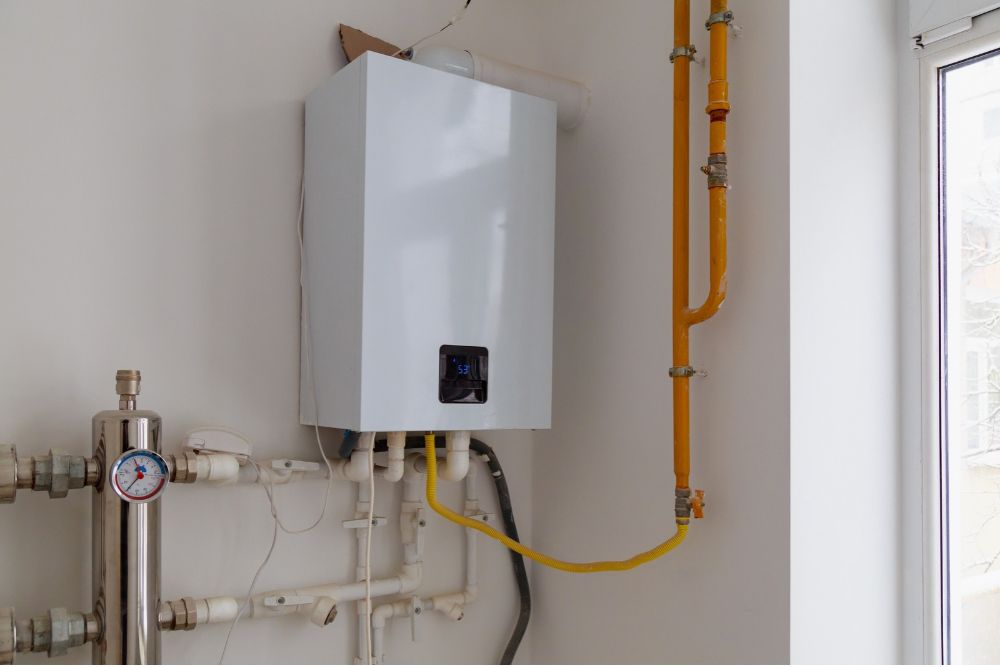
In many homes, existing radiators, pipework and some controls may continue to be used if they are compatible and in suitable condition. A professional boiler installation in Leicester should therefore begin with an assessment of what can reasonably stay and what would compromise the new appliance.
Can existing radiators usually be retained?
Often, yes.
Radiators do not automatically need replacing simply because the boiler is being changed. Their condition, output and ability to heat the rooms properly matter more than their age alone.
Problems are more likely where radiators are heavily corroded, repeatedly cold in places, undersized for current room requirements or affected by internal deposits.
If individual radiators are already performing poorly, Why Are Some Radiators in My House Not Heating Properly? explains some of the faults worth diagnosing before deciding whether they can remain.
What about the existing heating pipework?
Pipework is commonly retained, but it should not simply be assumed to be suitable.
An installer may need to consider its condition, diameter, layout and ability to provide adequate flow through the new system.
Older systems may also contain corrosion products or sludge. Worcester Bosch advises that the cleanliness of existing radiators and pipework should be considered when fitting a new boiler because contamination in the existing system can affect the new appliance.
This does not mean every older heating system needs new pipes. It means the existing circuit needs to be assessed rather than hidden problems being carried forward into the new installation.
Should the heating system be cleaned before the new boiler is fitted?
This may form an important part of the installation.
The appropriate cleaning method depends on the condition of the system. Worcester Bosch’s current installation guidance explains that systems should be flushed or cleaned and that the level of cleaning required can vary according to their condition.
A power flush should therefore not be treated as automatically necessary for every property. The system condition should determine what treatment is appropriate.
If your existing appliance is currently experiencing faults, Difference Between Boiler Servicing vs Boiler Repair in Leicester? can help distinguish routine maintenance from fault-specific work before replacement is considered.
Can the existing thermostat and controls stay?
Sometimes, but this needs more consideration than simply asking whether the thermostat still switches on.
A new boiler needs controls that work properly with the appliance and the wider heating system. Existing programmers, thermostats, thermostatic radiator valves and zoning arrangements should therefore be reviewed.
Gas Safe Register’s consumer inspection guidance for a new boiler connected to an existing heating system includes checks relating to system circulation, zoning, pumps, bypass arrangements, thermostats and thermostatic radiator valves.
Some existing controls may be perfectly suitable. Others may need upgrading as part of the replacement.
What happens to the hot water cylinder?
That depends on the type of heating system.
A regular or system boiler may continue to work with an existing cylinder if the overall arrangement remains suitable. Changing to a combi boiler, however, alters the way domestic hot water is provided and can remove the need for a separate cylinder.
The decision should be based on household hot-water demand and the condition of the existing equipment rather than simply choosing the newest system type.
Can pumps and valves be retained?
Potentially.
Circulation pumps, motorised valves and related components do not automatically require replacement with the boiler. However, they should be assessed for condition, operation and compatibility.
An ageing valve that already sticks or a pump that struggles with circulation may undermine the performance of a newly installed boiler.
This is why boiler replacement in Leicester should be considered as an installation project rather than a straightforward appliance swap.
Does the new boiler need to be the same size as the old one?
No.
The old boiler’s output should not automatically determine the new one. Changes to insulation, extensions, radiators or household requirements can alter the property’s heating demand.
How Do You Choose the Right Boiler Size for Properties in Leicester? explains why a proper assessment is more reliable than replacing like-for-like solely on the old boiler’s rating.
The same principle applies to retained components: they should suit the new design, not simply remain because they were already there.
When does retaining old components become a false economy?
Keeping existing components can reduce unnecessary work, but only where they are dependable.
Repeatedly leaking valves, badly corroded radiators, restricted pipework or unreliable controls may create future boiler repair in Leicester requirements even when the new boiler itself is operating correctly.
A good installation assessment should therefore separate components that still have useful service life from those likely to cause avoidable problems later.
Conclusion
A boiler replacement does not have to mean starting again with every part of the heating system. Well-maintained radiators, suitable pipework, cylinders and controls may often remain in service.