 0116 264 5115
 Looking for electrical work? Find Out More
How Do I Know If My Pipes Are at Risk of Freezing?
Pipes are more likely to freeze when they run through cold parts of the home and are left without proper protection. A seasonal plumbing service check can help spot exposed pipework, weak insulation, and draught-prone areas before winter weather causes damage. The Met Office warns that frozen pipes can burst when they thaw and advises homeowners to know where their stop tap is and protect pipework in advance.
In Leicester, the risk usually rises during prolonged cold spells, especially in lofts, garages, outside walls, cupboards, and other unheated spaces. Keeping rooms too cold can add to the problem, and Citizens Advice notes that even rooms you do not use much should still be heated a little to help protect pipes from freezing.
Which pipes are most at risk?
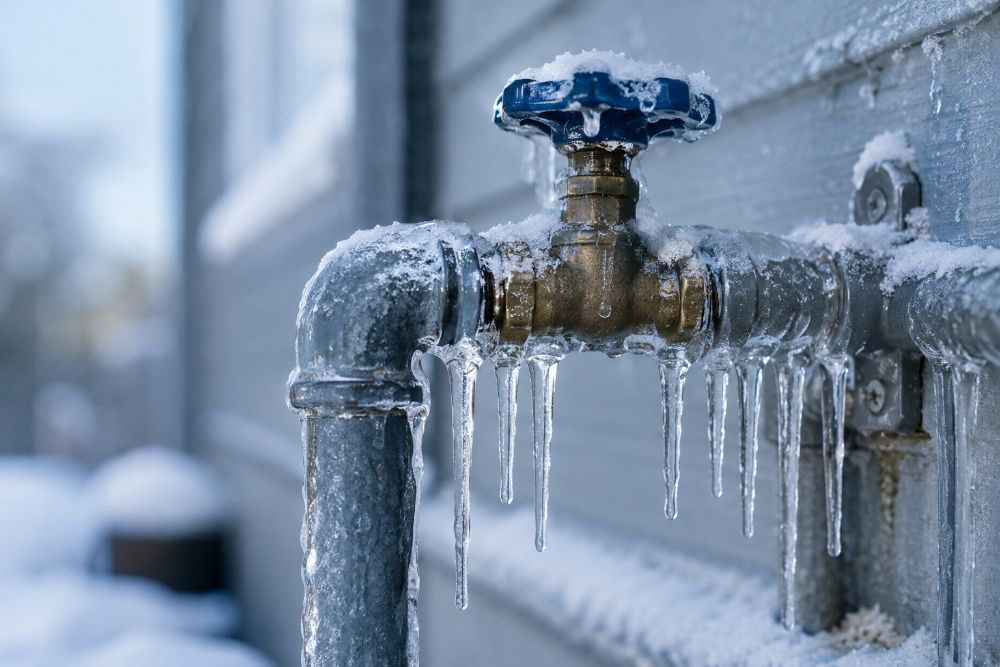
The most vulnerable pipes are usually the ones in exposed or unheated areas. Loft pipework, garage runs, outdoor taps, and pipes fixed against external walls are often the first to freeze.
Poor insulation increases that risk. The Met Office recommends lagging water pipes and insulating loft tanks properly, both to reduce freezing and to help avoid burst pipes and flooding.
What are the early warning signs?
One of the first signs is reduced water flow. If a tap slows to a trickle or stops during very cold weather, part of the pipe may already be freezing. The Met Office says a frozen pipe can stop water reaching taps and can later burst as it thaws.
You may also notice sections of exposed pipe that feel extremely cold, show visible frost, or develop unusual noises. If you start seeing dampness after temperatures rise again, the problem may already have moved into plumbing repair territory because a crack may have formed as the ice expanded.
Early winter plumbing issues can overlap with other household faults, so what are the most common plumbing problems fits naturally here for readers trying to tell one problem from another.
Does the position of the pipe matter?
Yes. Pipes freeze more easily when they pass through spaces that stay cold for long periods. Even indoor pipes can be at risk if they are boxed into unheated voids or fitted close to outside walls.
This is also why knowing the location of your stop tap matters. The Met Office says homeowners should know where it is and check it works, so water can be turned off quickly if a frozen pipe starts leaking.
Are there legal points homeowners should know?
Yes. In England, plumbing work and water fittings must comply with the Water Supply (Water Fittings) Regulations 1999. These regulations are intended to prevent contamination and waste of water, which is relevant when damaged or poorly protected pipework leads to leaks or burst sections.
That does not mean the law tells homeowners exactly when to inspect pipes for freezing. It does mean any plumbing work, alteration, or remedial work should be carried out properly and in line with the wider rules for safe water systems.
Where insulation is missing, pipe runs are badly positioned, or older sections are repeatedly failing, a more permanent fix may involve better routing or upgraded protection as part of a wider plumbing installation plan.
What can you do before temperatures drop?
Check any visible pipework in lofts, garages, under sinks, and near external walls. If it is bare, loosely covered, or clearly exposed to draughts, it deserves attention before winter gets worse. The Met Office recommends insulating pipes and tanks before severe weather arrives.
It also helps to keep some background heat in the home. Citizens Advice says even less-used rooms should still be heated a little, as this helps protect both the room and the pipes during cold weather.
What if a pipe is already frozen?
Do not use a naked flame or blowtorch. The Met Office says frozen pipes should be thawed slowly, using methods such as hot water bottles or towels soaked in hot water, and warns against direct flames because of the risk of fire and pipe damage. It also advises turning off the inside stop tap if you think a pipe is frozen.
If the pipe starts leaking as it thaws, turn the water off and act quickly. If a hidden split is suspected, how can i find a hidden water leak in my home? is a useful next read.
When should you get expert help?
You should get help if freezing keeps happening, if water flow does not return properly, or if you can see cracks, leaks, or damp patches after thawing. Repeated winter damage often means the pipework needs more than a temporary fix.
If the same sections are repeatedly affected, it may be more practical to consider insulation improvements, rerouting, or partial plumbing replacement rather than waiting for another burst pipe in the next cold spell.
For readers thinking about the practical side of a callout, what is a reasonable call out charge for a plumber? can answer one of the common next questions without interrupting the flow here.
Conclusion
Pipes are usually at risk of freezing when they are exposed, poorly insulated, or located in cold parts of the home. Low water flow, visible frost, very cold pipe surfaces, and leaks after thawing are all signs worth taking seriously.
If you want experienced help identifying winter pipe risks or dealing with damage after a freeze, East Goscote Plumbers offers trusted support backed by 50 years of experience.